

Across Canada, “net zero” has become a defining goal for the built environment. But if you own or manage a building, especially here in Atlantic Canada, you’ve probably noticed something: the conversation often feels abstract. Targets, timelines, emissions, resilience — they’re important, but they don’t always answer the real question on your mind: what does net zero actually mean for my building, and how do I get there without overwhelming cost or disruption?
The good news is that the path is simpler than it seems. And it starts with something simple and practical: using less energy.
What Net Zero Really Means in the Built Environment
At its core, net zero means a building uses as little energy as possible and offsets the rest through clean energy via using renewable sources. For most existing buildings, especially multiunit residential buildings (MURBs), the path to net zero looks like this:
- Reduce energy demand through better insulation, airtightness, and efficient mechanical systems.
- Improve indoor environment quality by eliminating drafts, temperature swings, and outdated ventilation.
- Use clean energy (onsite or grid supplied) to cover the remaining load.
- Prepare for the future by aligning with emerging codes, incentives, and climate resilience expectations.
Net zero isn’t about perfection. It’s about performance — and performance starts with the building envelope (Natural Resources Canada, 2023).
Net zero isn’t about perfection. It’s about performance — and performance starts with the building envelope.
Why Existing Buildings Are the Biggest Opportunity
Canada’s building stock is old, especially here in Atlantic Canada. A large share of buildings were constructed before modern efficiency standards existed. Compared to other provinces, Atlantic Canada has a larger share of buildings constructed before 1960 (Natural Resources Canada, 2022b). These buildings typically suffer from:
- Heat loss through poorly insulated walls
- Air leakage around windows and balconies
- Inefficient mechanical systems
- Overheating in summer and heat loss in winter
- High energy bills and inconsistent comfort
- Potential asbestos hazards
Nationally, buildings account for roughly 18% of Canada’s greenhouse gas emissions (direct and indirect) (Government of Canada, 2024). That means deep retrofits aren’t just a climate solution — they’re a housing, affordability, and resilience solution.
ReCover’s Atlantic Canada Deep Retrofit Roadmap project reinforces this: deep retrofits can reduce energy use by 50–70% in typical MURBs, making net zero performance achievable, not aspirational.
Deep Retrofits: An Effective Path to Net Zero
While solar panels and clean energy matter, the most impactful step toward net zero is reducing the energy a building needs in the first place. That’s where deep retrofits come in.
A deep retrofit focuses on:
- The whole building system
- High performance exterior envelope that dramatically improves thermal resistance and airtightness, enhancing thermal comfort and reducing drafts
- High efficiency mechanical systems that use far less energy
- Ventilation upgrades that improve indoor air quality
- Standardized, repeatable solutions that reduce cost and complexity
This is the foundation of the ReCover model: a scalable, whole building approach that transforms aging buildings into high performance, low carbon systems, with minimal disruption to residents.
Nationally, buildings account for roughly 18% of Canada’s greenhouse gas emissions (direct and indirect).
Why Net Zero Matters Even More in Atlantic Canada?
Net‑zero is a national priority, but the stakes are especially high in Atlantic Canada. The region has some of the oldest residential buildings in the country, many constructed long before modern efficiency standards (Canada Mortgage and Housing Corporation, 2023). Residents in Nova Scotia, New Brunswick, PEI, and Newfoundland & Labrador also face some of the highest electricity prices in Canada (Statistics Canada, 2025). When buildings leak heat, households feel it directly through higher monthly utility bills. In a region where incomes are often lower than the national average, these high energy costs contribute to energy poverty — where families spend a disproportionate share of their income just to keep their homes warm. Reducing energy demand is therefore not only a climate solution but a cost‑of‑living solution.
Atlantic Canada is also experiencing more intense winter, rising summer heat, storm‑related outages, coastal and inland flooding, and grid constraints during peak demand. An efficient building stays warm longer during outages, stays cooler during heat waves, and reduces strain on the grid during extreme weather — a resilience benefit that matters deeply here. Electrification is accelerating across the region, with heat pumps becoming increasingly common, but electrification only works when buildings are efficient; otherwise, peak demand spikes and the grid feels the pressure. Deep retrofits address this by reducing heating and cooling loads before electrification happens, strengthening both household resilience and regional grid stability.
Residents in Nova Scotia, New Brunswick, PEI, and Newfoundland & Labrador also face some of the highest electricity prices in Canada
ReCover’s Role: Supporting Owners on the Path to Net Zero
ReCover’s work is grounded in a simple belief: building owners shouldn’t have to navigate the complexity of deep retrofits alone. ReCover plays a critical enabling role through our Building Transformation Program, which contributes funding support for feasibility studies, project coordination, and creates an investment-ready business case with which to approach financial institutions for financing. In addition, we’ll find stackable funding opportunities to further advance your deep retrofit project.
The Building Transformation Program provides a structured pathway for owners who want to move from exploration to action. The program:
- Helps owners assess readiness
- Identifies the right retrofit approach
- Supports planning and sequencing
- Connects owners with qualified partners
- Ensures the retrofit aligns with long-term performance goals
This program is designed for the exact buildings that dominate Atlantic Canada’s built environment: older buildings with high energy use, aging envelopes, and residents who cannot afford to be displaced.
Project Coordination
Deep retrofits involve multiple stakeholders, including engineers, architects, contractors, utilities, and funding partners. ReCover supports owners by:
- Coordinating stakeholders
- Ensuring alignment with deep retrofit best practices
- Supporting procurement and scoping
- Helping owners navigate incentives and funding
- Maintaining a systems level view of the project
This reduces risk, accelerates timelines, and ensures the retrofit stays aligned with net‑zero goals.

Feasibility Studies
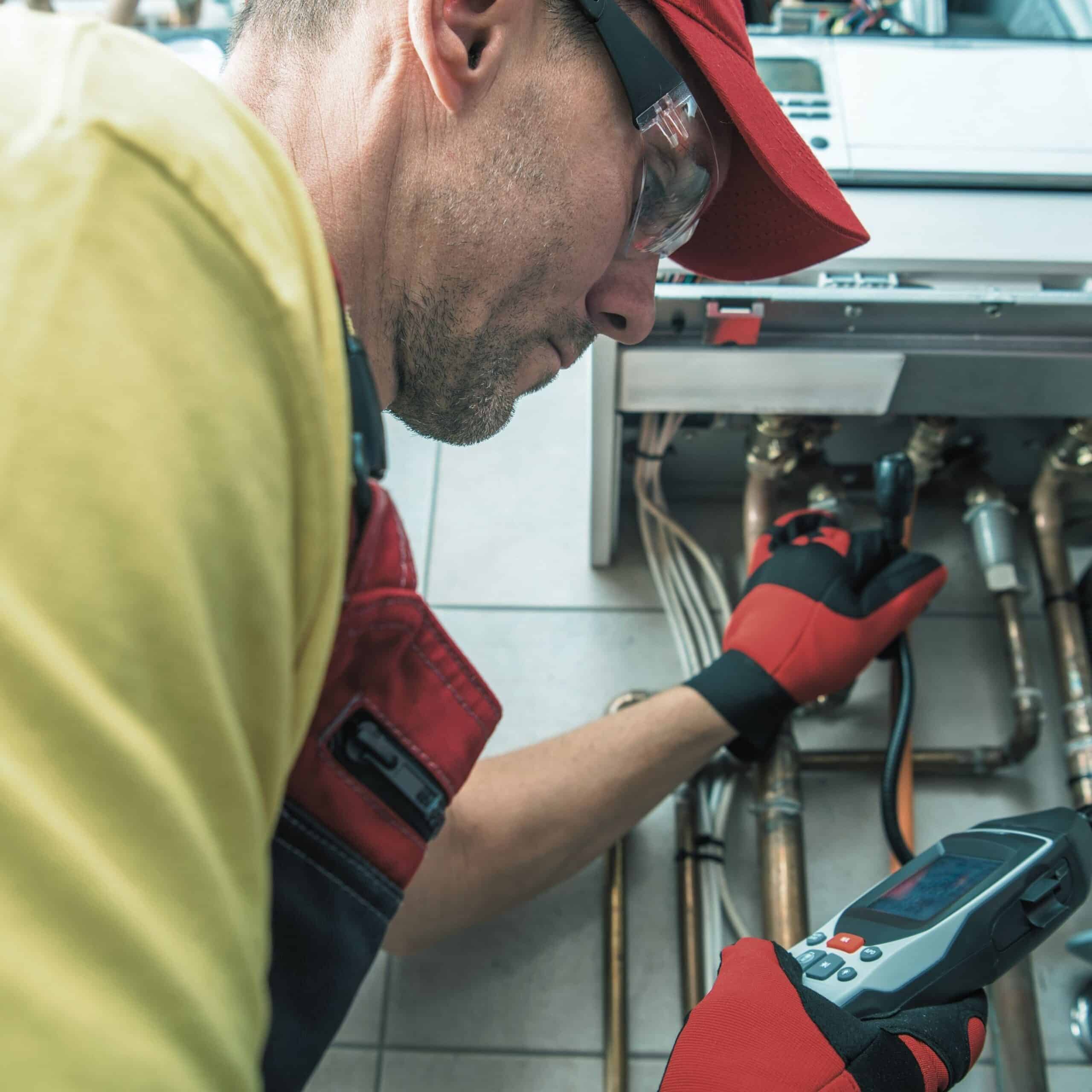
A deep retrofit begins with understanding what’s possible, which is where a feasibility comes in. ReCover encourages owners to take this first step by offering support for feasibility studies for eligible buildings. A feasibility study helps owners understand:
- How their building is performing today
- The potential for energy and emissions reduction
- The viability of different deep retrofit pathways
- Cost ranges and sequencing options
- Opportunities for standardization and repeatability
These studies give owners the clarity they need to make informed decisions about proceeding with a deep retrofit.
Investment-ready business case
The upfront costs of a deep retrofit can feel daunting. But that’s only part of the story. Over the long term, deep retrofits reduce maintenance, repair, and utility expenses, savings that compound over the lifespan of the building. For many owners in Atlantic Canada, where energy costs are already high, these long-term reductions make a meaningful difference.
ReCover helps owners move from insight to action. Along with providing funding support for feasibility studies, we equip owners with an investment-ready business case that strengthens applications for loans and financing. Deep retrofit projects also frequently qualify for specialized grants, tax deductions and low-interest loans, opportunities that many owners don’t realize they’re eligible for.
Overall, ReCover’s role is to de-risk, guide, and accelerate the process. We help owners understand their options, coordinate with the right partners, and ensure every retrofit is a step toward a net zero, resilient future.

ReCover’s role is to de-risk, guide, and accelerate the process. We help owners understand their options, coordinate with the right partners, and ensure every retrofit is a step toward a net zero, resilient future.
The Path Forward: Net Zero Is Within Reach
Net zero isn’t a distant target. It’s a practical, achievable outcome when buildings use less energy and operate more efficiently. For building owners, especially in Atlantic Canada, the opportunity is clear:
- Lower operating costs
- Better comfort for residents
- Increased asset value
- Reduced emissions
- Greater resilience during extreme weather
- Alignment with future regulations and funding programs
The transition is already underway. The question is how quickly we scale it.
If you’re ready to explore how your building can move toward net zero, and how ReCover can support you through feasibility studies, project planning and coordination, our Building Transformation Program team is here to help.
Visit our Building Transformation Program to learn more about our approach and how we’re helping communities across Atlantic Canada prepare for the future.
About the Author
Yvonne Ekpe | Communications Specialist, The ReCover Initiative