Atlantic Canada’s Deep Retrofit Advantage

How Atlantic Canada can move deep retrofits from ambition to implementation at scale

Lighthouse on a rocky coastline in Atlantic Canada

Atlantic Canada’s Deep Retrofit Advantage

How Atlantic Canada can move deep retrofits from ambition to implementation at scale

Across Atlantic Canada, where heating seasons are long and energy costs are among the highest in the country, aging buildings and competing capital priorities present a growing challenge for governments working to meet climate targets while maintaining essential infrastructure. That includes schools and municipal facilities, multi-unit residential buildings, offices and commercial properties, and community and non-profit buildings.

Deep retrofits, which upgrade a building as a whole system rather than one component at a time, can reduce emissions, improve building performance, strengthen energy affordability and create skilled employment. Realizing these benefits at scale, however, requires coordinated action across policy, finance, workforce development and project delivery.

Long-term policy commitment and predictable funding are essential. Governments can set that signal by retrofitting their own building portfolios, following through on retrofit mandates tied to net-zero targets, and funding both planning and implementation. Clear targets, consistent programs and multi-year funding give building owners, financial institutions and industry the confidence to plan investments and build capacity.

Accessible capital and fit-for-purpose financing can help overcome high upfront costs, competing priorities and long payback periods. Aligning retrofit investments with climate, housing and infrastructure priorities can further maximize available resources.

A skilled workforce and capable supply chain are necessary to meet growing demand, with coordinated expertise across construction trades, engineering, architecture and building science. Training must align with a credible project pipeline so employers can invest in people and equipment with confidence.

Repeatable approaches to project delivery can reduce the time, cost and uncertainty associated with individual projects. Shared data, consistent assessment and modelling methods and coordinated procurement can make investments easier to evaluate and delivery more efficient. Individual projects alone cannot create regional scale, but private and non-profit owners who aggregate projects can lower costs, strengthen the business case and add volume to the pipeline.

The opportunity is to connect these conditions into a coordinated regional system. The ReCover Initiative (ReCover), the Atlantic Canada proponent for the federal Deep Retrofit Accelerator Initiative (DRAI), helps connect governments, financial institutions, industry, training organizations, and building owners, and translate shared priorities into practical tools and approaches, including the Building Transformation Program (BTP) and the Atlantic Canada Deep Retrofit Roadmap.
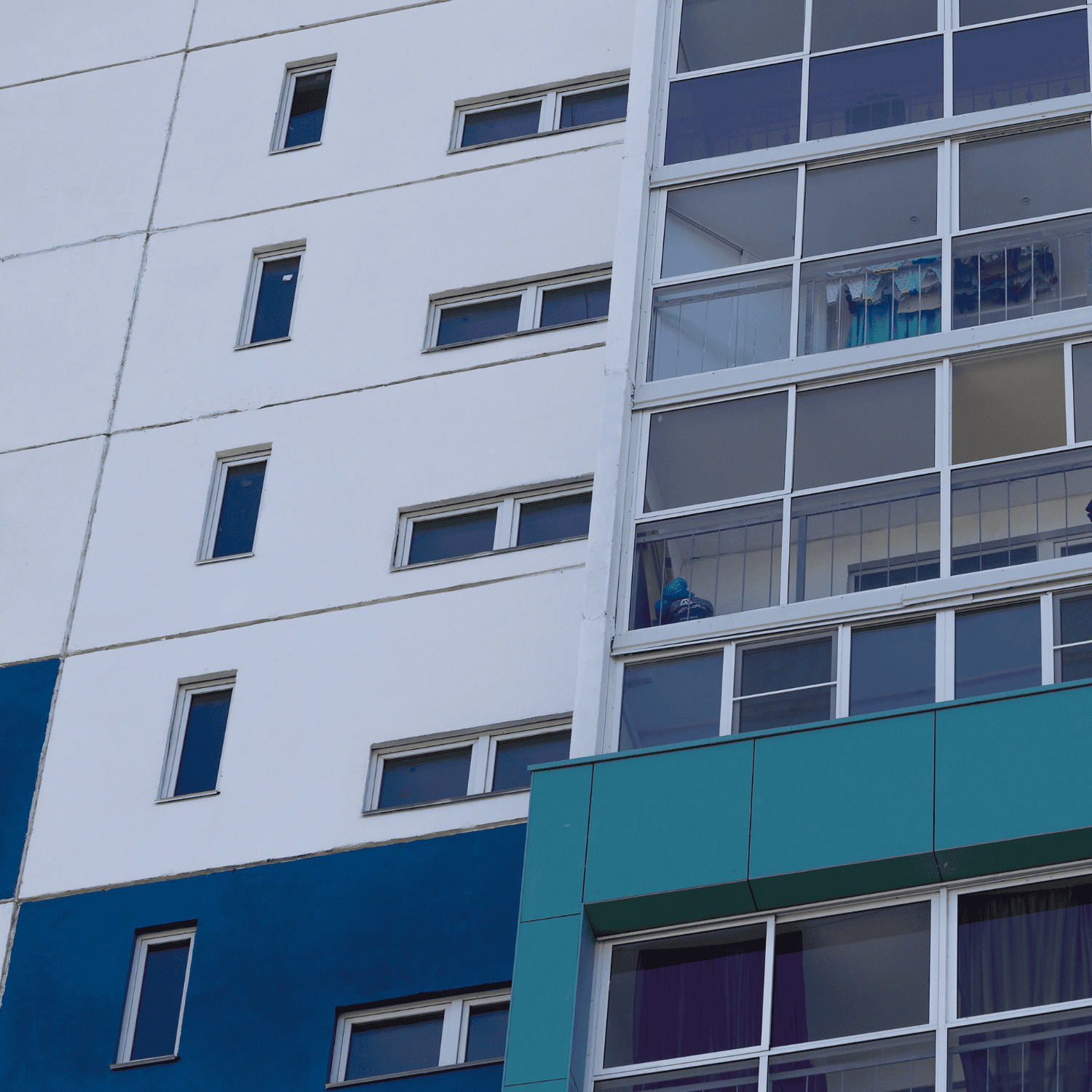
Multi-unit residential building with upgraded exterior cladding and windows

What Is a Deep Retrofit?

A deep retrofit is a comprehensive upgrade of a building’s envelope and systems — walls, windows, roof, insulation, heating, cooling, and ventilation — designed to dramatically reduce energy use and carbon emissions. Unlike isolated improvements, deep retrofits take a whole‑building approach to maximize performance, comfort, and climate resilience, typically delivering 50–70% reductions in energy use and 80–100% reductions in greenhouse gas emissions.

Is My Building Ready for a Deep Retrofit?

Are you managing a pre-2000 building with rising energy costs or growing repair needs? If your building has aging systems, high energy costs, comfort issues or upcoming capital work, it may be a good time to consider a deep retrofit, rather than reactive repairs and like-for-like replacements. ReCover can help assess the building’s needs and identify opportunities through our Building Transformation Program (BTP).

A deep retrofit considers the building as a whole to reduce energy use, improve comfort and resilience, and extend the asset’s life. ReCover helps Part 3 building owners understand the opportunities and develop a practical plan to make these improvements.
The Building Transformation Program (BTP) helps guide owners of commercial, institutional and 4+ storey multi-unit residential buildings through their deep retrofit journey. BTP clients receive technical deep retrofit guidance, project management support, and an investment-ready business case report that brings together technical feasibility studies, financial modelling, and tailored financing options to support decision-makers in moving forward with deep retrofit projects.

Most studies take 3–6 months, depending on building complexity. ReCover coordinates the process and manages updates so you can focus on operations.

Yes. Through BTP, building owners can receive funding for engineer-led feasibility studies, a customized implementation roadmap, an investment-ready business case, and support in navigating funding and financing. ReCover can also help you identify other government programs, incentives and financing options that may support implementation.

The savings and payback period depend on the building, existing systems, retrofit scope and financing approach, so there is no single number that applies to every project. Building envelope upgrades on their own often have a longer payback period than other measures, but they’re what make it possible to right-size a building’s mechanical systems. Once heat loss and air leakage are reduced, owners can install smaller, less expensive heating and cooling equipment, which improves performance of the project as a whole. That’s why ReCover looks at the envelope and mechanical systems together, helping building owners understand the full value of a retrofit, including both utility savings and non-energy benefits, and helps build a business case around their specific building.

ReCover begins with a discovery and building review to understand your building, strategic goals, energy use, systems and capital needs. From there, ReCover manages the Request for Proposal (RFP) process and oversees the engineer-led technical study. ReCover then identifies the opportunities with the strongest operational and financial potential and supports you in developing your business case, which brings together technical feasibility, financial modelling using a total cost of building ownership approach, recommended upgrades, sequencing, and potential funding and financing pathways. ReCover also provides technical guidance and administrative support throughout the process.

Start by completing ReCover’s BTP intake form, which gathers basic information about you, your building and its age and type so the team can assess eligibility and connect you with the right support. Visit the BTP page for current eligibility, funding availability and next steps.

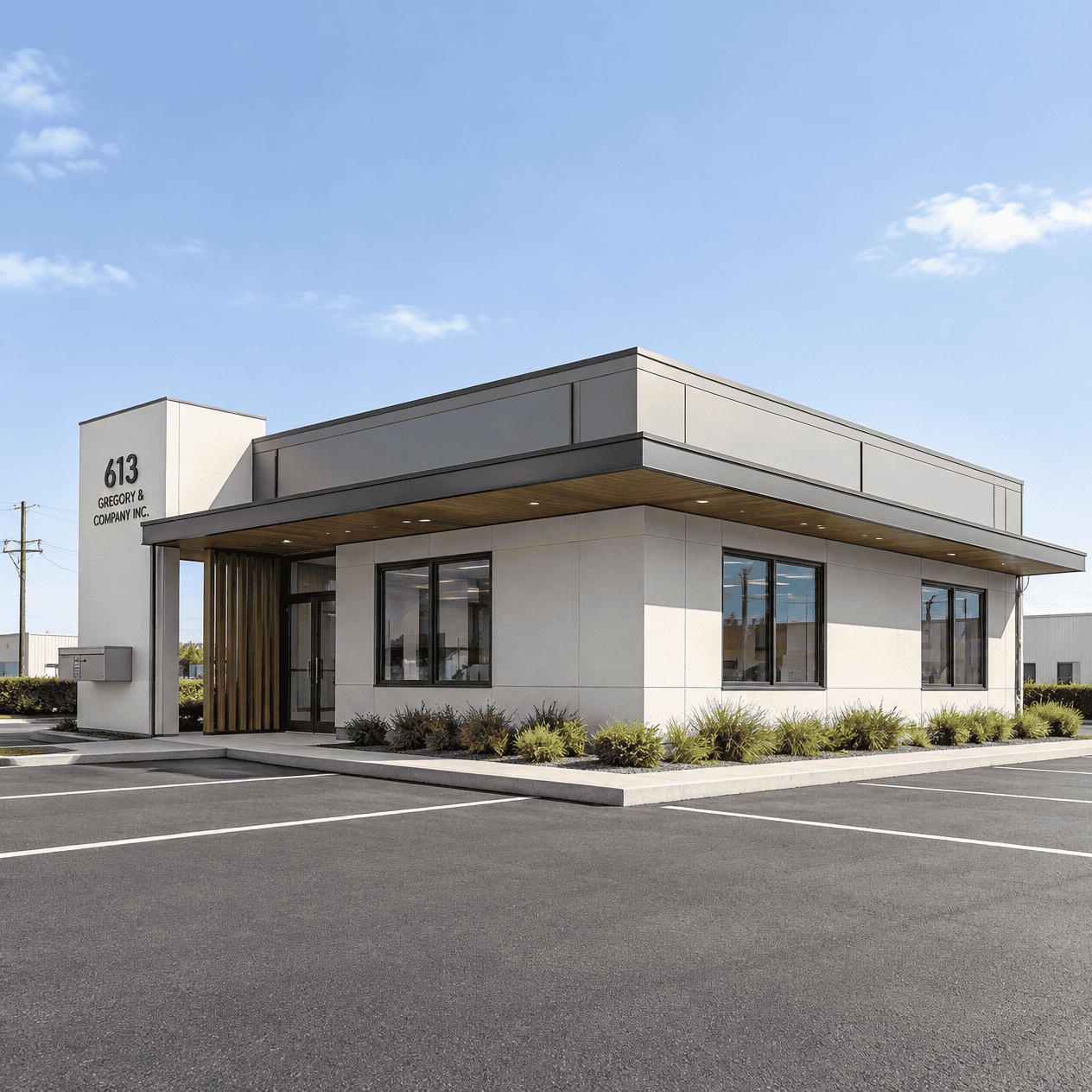
Low-rise commercial building

What Are the Benefits of Deep Retrofits for Atlantic Canada?

Deep retrofits upgrade a building as a whole system, delivering benefits well beyond energy savings. For buildings in Atlantic Canada, where heating seasons are long and energy costs are among the highest in the country, deep retrofit upgrades can lower operating and maintenance costs, reduce reliance on oil and exposure to volatile fuel prices, and extend the life of aging assets. They also create healthier, more comfortable spaces, strengthen buildings against coastal storms and extreme weather, and help governments meet climate targets. A steady pipeline of retrofit projects also builds regional expertise and creates work for local firms and trades.
The Atlantic Canada Deep Retrofit Roadmap is the first deep retrofit planning framework specific to our region. Through extensive energy modelling and financial analysis, it identifies 20 priority building archetypes, providing insight into where Atlantic Canada can focus its efforts to achieve the greatest impact and where opportunities for scale exist.

Importantly, the Roadmap intentionally goes beyond energy modelling to include financial modelling using a Total Cost of Building Ownership approach. Deep retrofit decisions need to reflect not only energy savings and emissions reductions, but also the broader economic realities of owning and operating a building. By bringing these perspectives together, the Roadmap provides a stronger evidence base to guide decision making.

ReCover’s Socioeconomic Study examines the broader impacts of deep retrofits across Atlantic Canada, modelling how scaling retrofits can address aging housing, energy poverty, and climate impacts simultaneously. It models retrofits of smaller residential buildings, such as houses and low-rise homes (known as Part 9 buildings under the National Building Code), and analyzes their social, economic and health impacts. The findings show that the benefits of retrofits are measurable and extend well beyond energy savings to areas such as public health, household affordability, and workforce development.

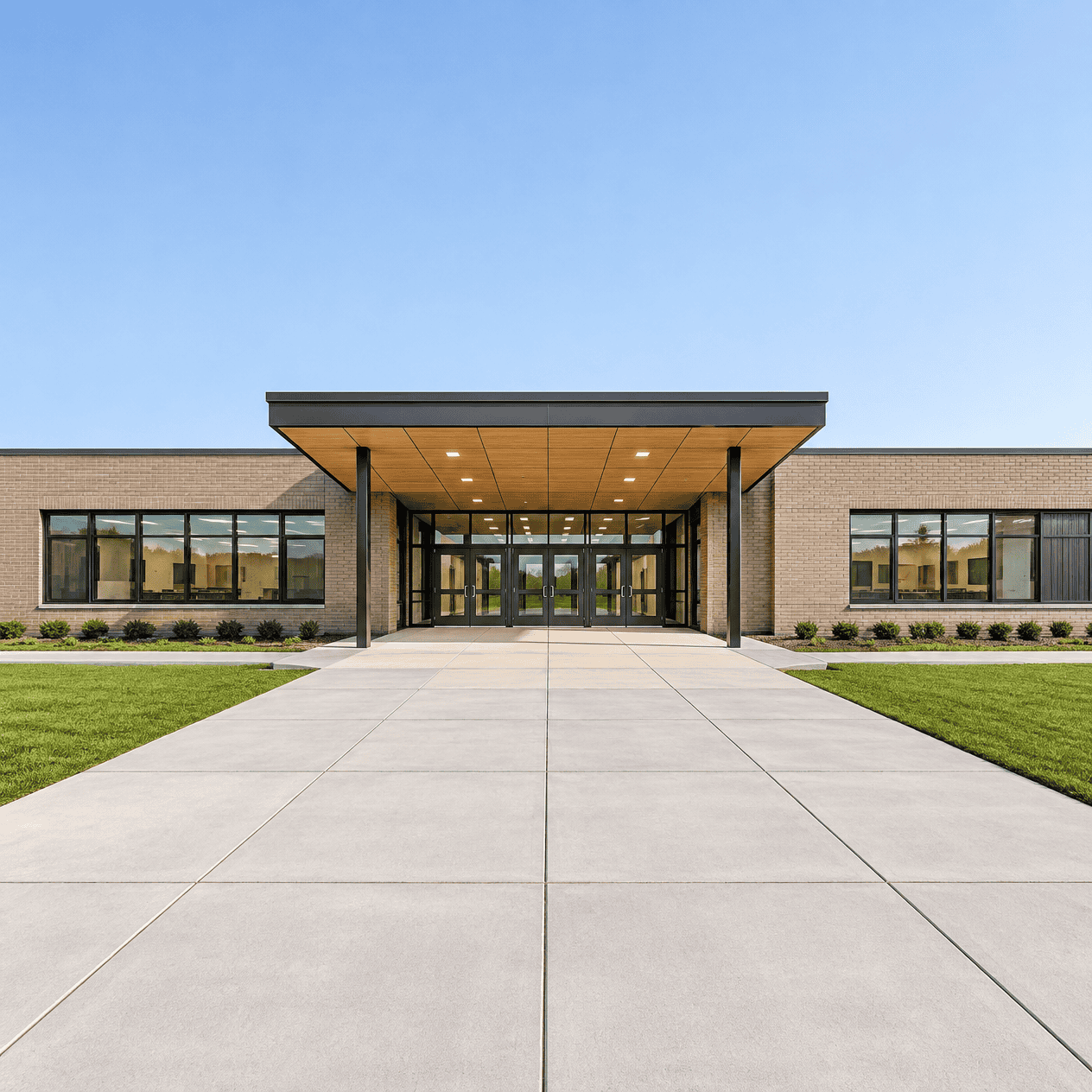
School building entrance

Who Are ReCover’s Partners?

ReCover aims to be the ‘tide that lifts all boats’. We work with government, building owners, industry, financial organizations, utilities, community organizations, academic institutions and other retrofit-sector partners. Our partners include organizations such as Building to Zero Exchange, HCi3, the Union of Nova Scotia Mi’kmaq, One North End, RFS Energy, Open Technologies, Efficiency Capital, Econoler, Efficiency Canada, and Canadian Institute for Energy Training, among others.
The Deep Retrofit Accelerator Initiative (DRAI) is a multi-year federal program that supports third-party accelerator organizations working to advance deep retrofits and build the market capacity needed to scale them. ReCover is the DRAI proponent for Atlantic Canada, using the funding to support building owners, industry, research, workforce development and market transformation. DRAI supports retrofit activity for Part 3 buildings, including commercial, institutional and mid- to high-rise apartment buildings.

The Greener Neighbourhoods Pilot Program (GNPP) is a five-year, $35.5 million Natural Resources Canada (NRCan) program testing whether the Energiesprong model can work in Canada for residential retrofits. This model, originally developed in the Netherlands, focuses on aggregation and creating mass demand for deep retrofits. Rather than funding one large initiative, GNPP funds a set of complementary pieces: six regional Market Development Teams, demonstration retrofits in community housing, technical research and a national knowledge repository.

ReCover is the Atlantic Canada Market Development Team. ReCover’s project includes developing the residential (Part 9) Atlantic Canadian Retrofit Roadmap, building a stock database, and a retrofit study of 220 homes in two Mi’kmaw communities, in partnership with the Union of Nova Scotia Mi’kmaq. This work is residential-focused and separate from ReCover’s role under DRAI.

ReCover measures impact through outcomes such as building owners engaged, buildings supported, retrofit plans completed, investment mobilized, potential and realized emissions reductions, resources developed, and participation in training and programs. Its work is designed to create a pipeline of retrofit projects moving into implementation, while building the market and capacity needed to accelerate the retrofit sector across Atlantic Canada.

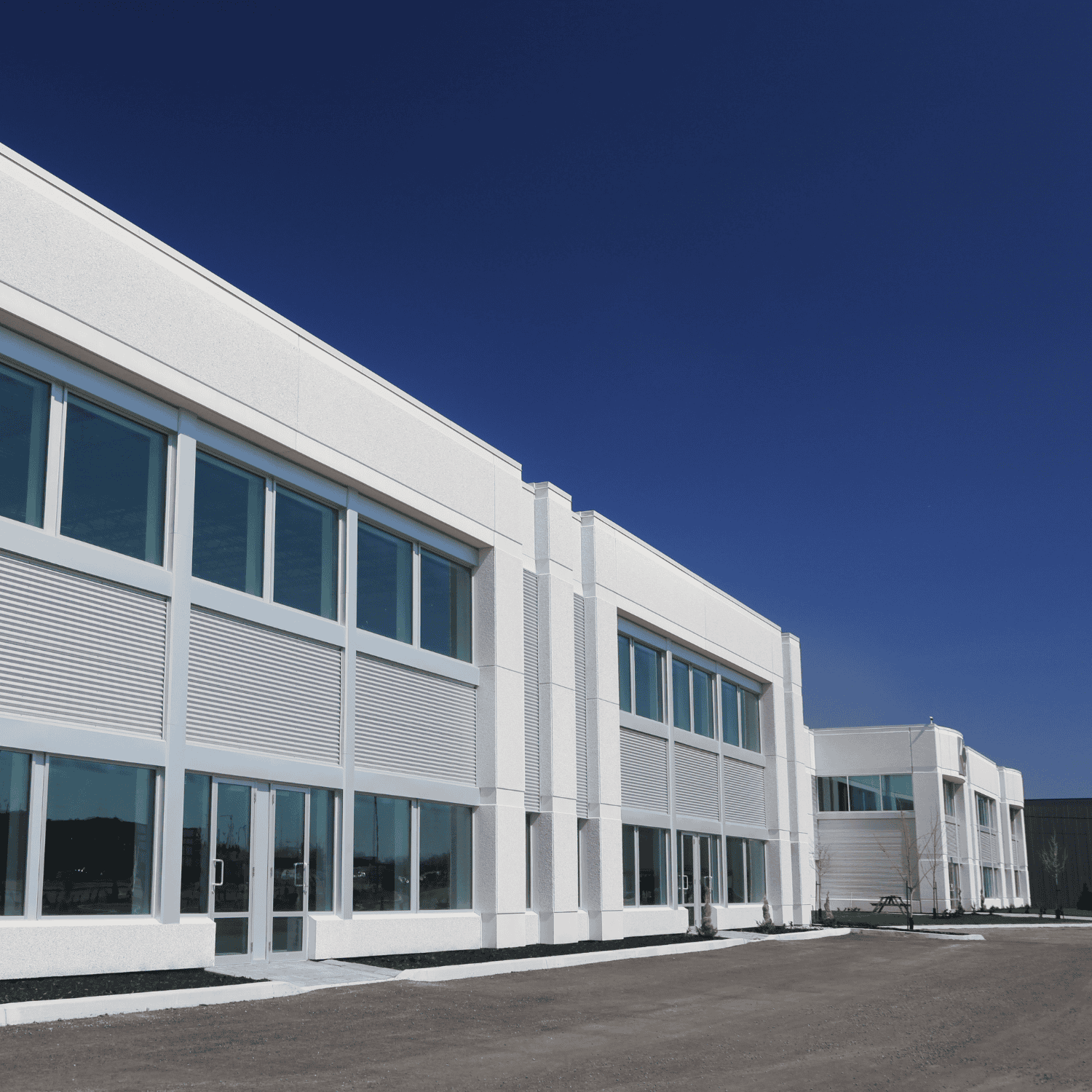
Modern office building exterior